
Honorable Mention in the category « Street Social / Docu Issues »
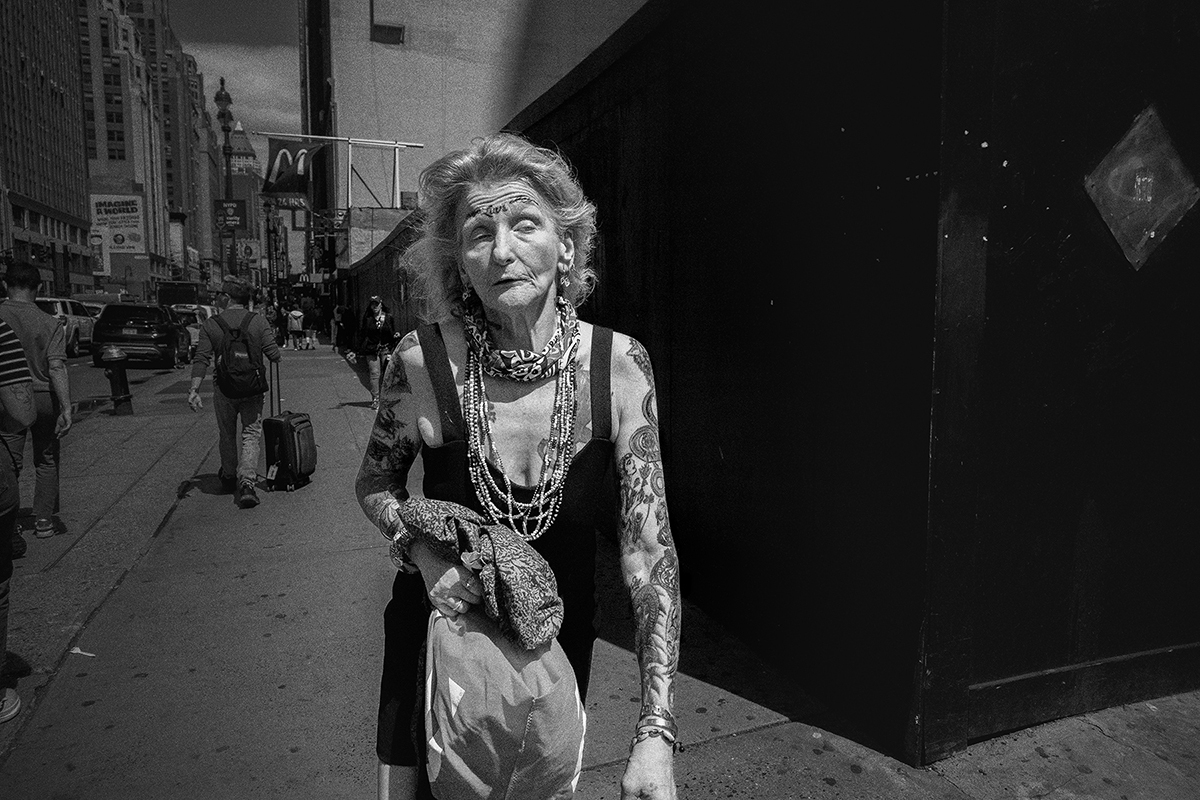
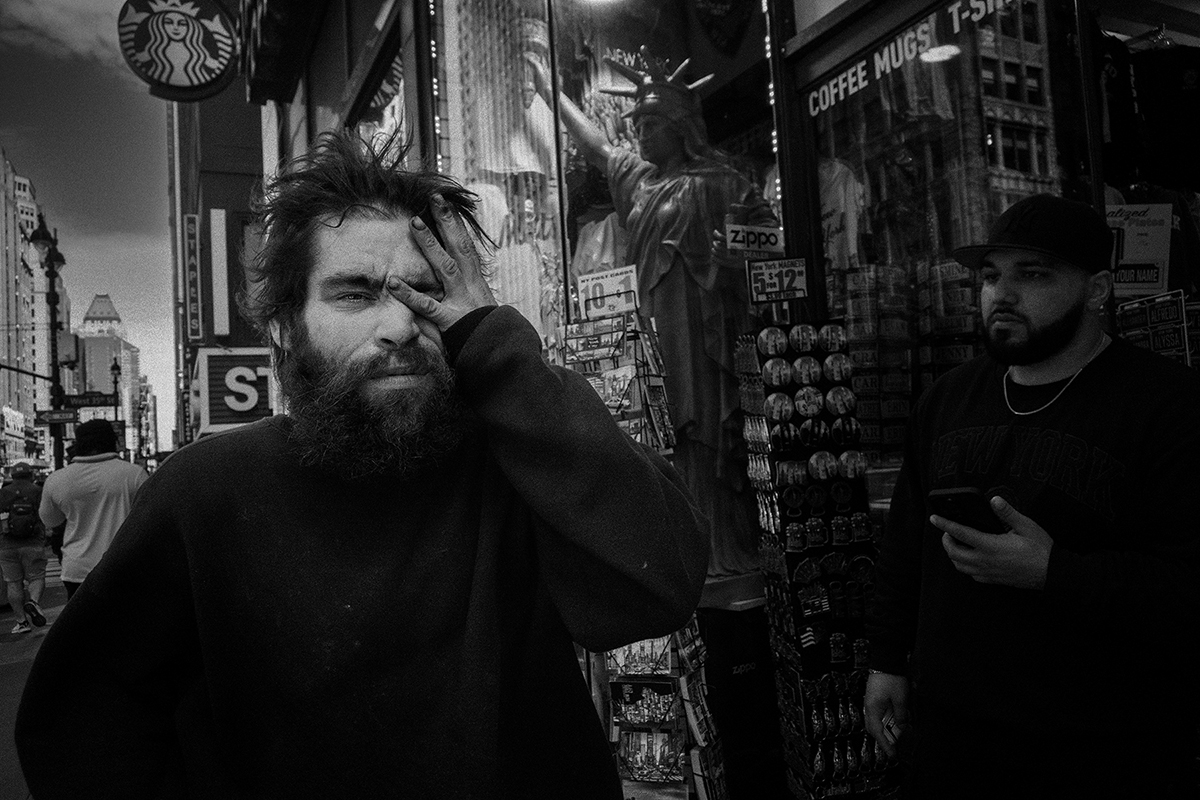
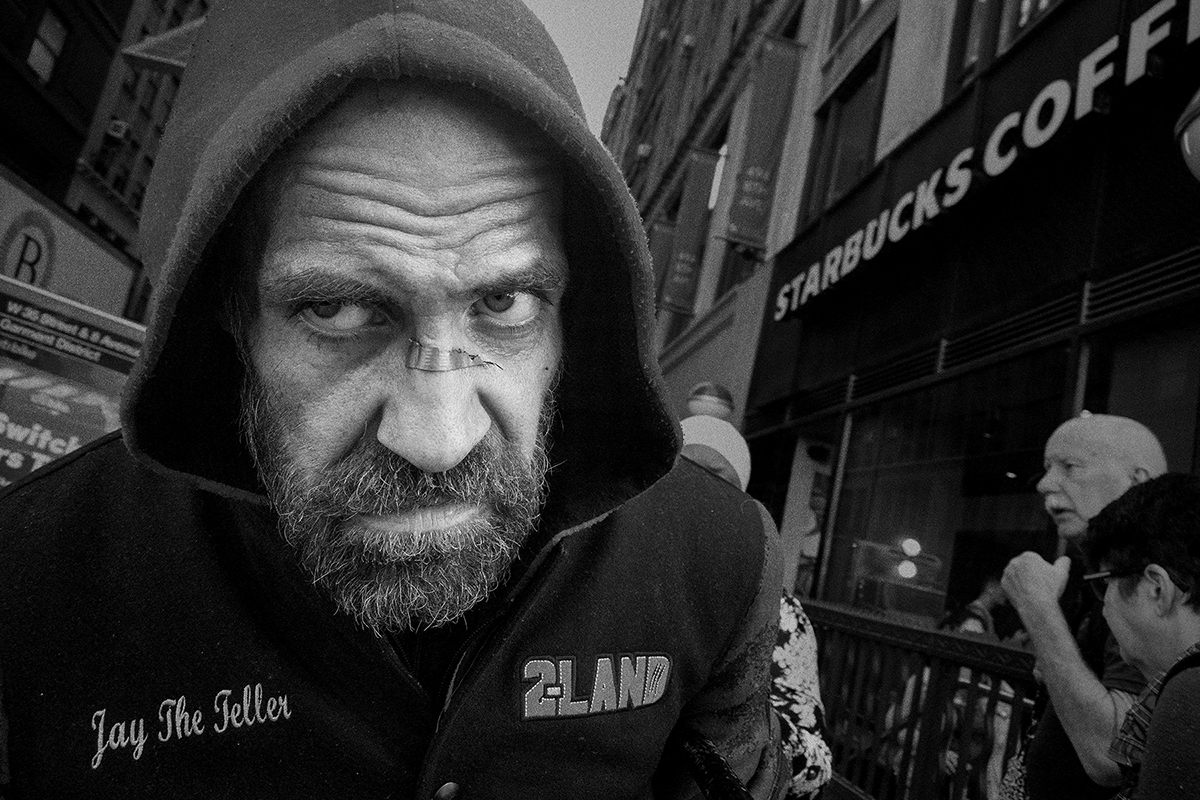
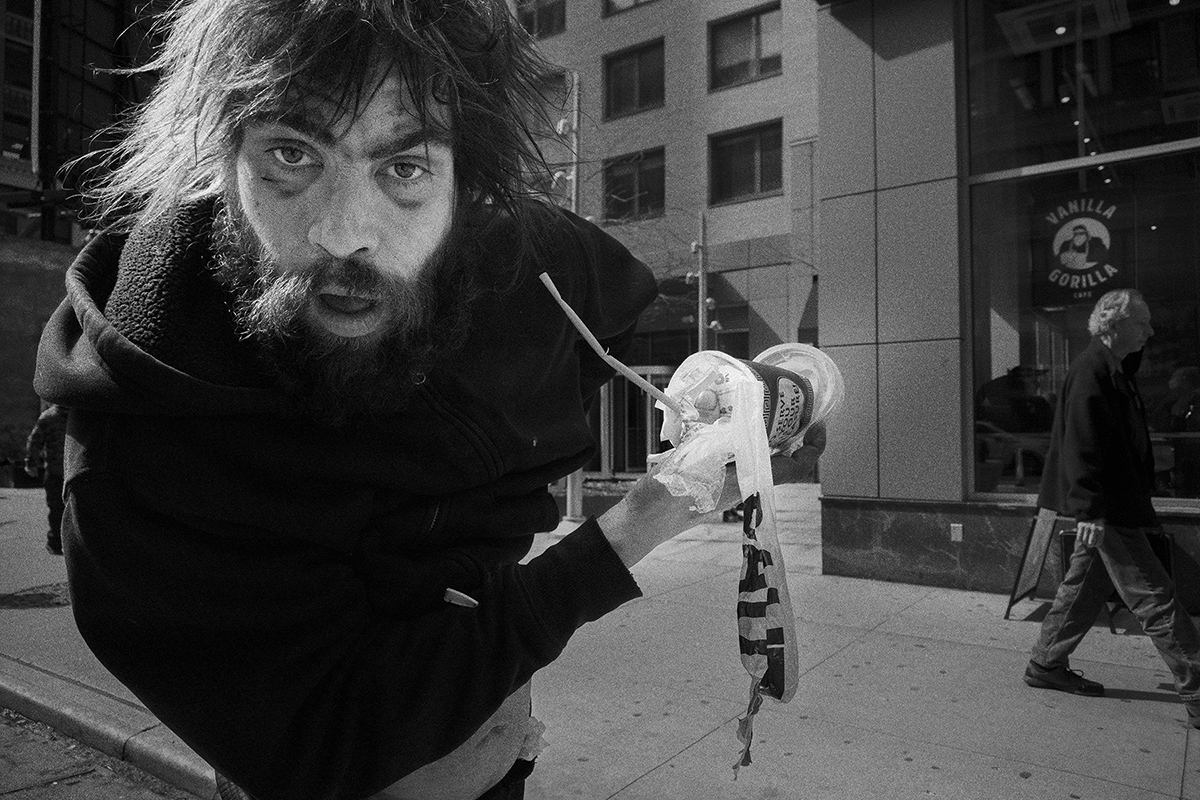
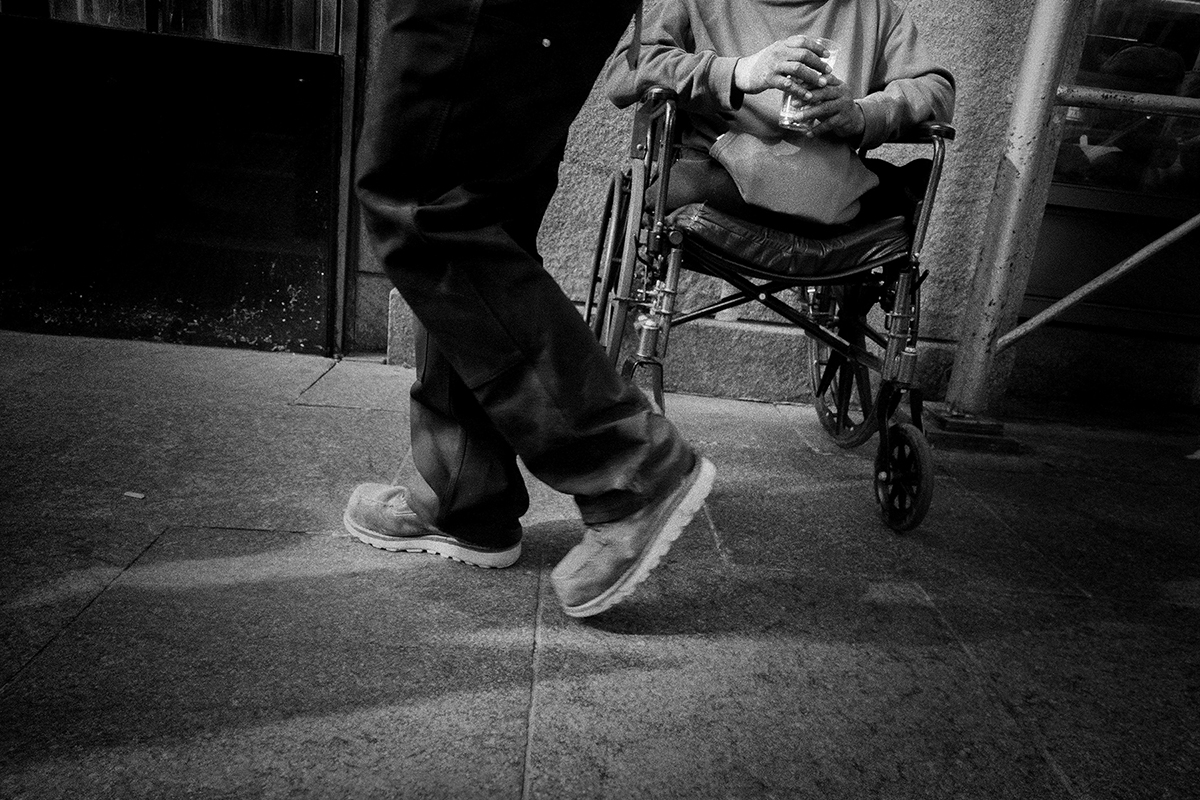
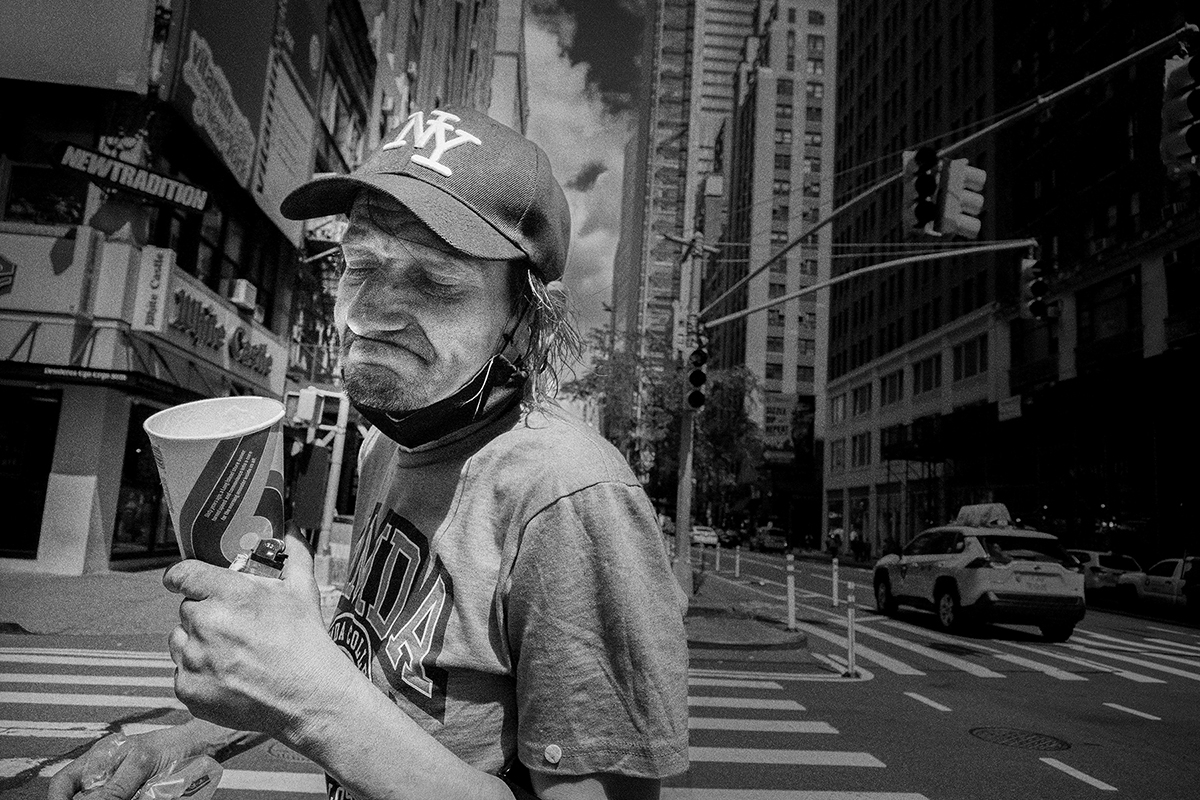
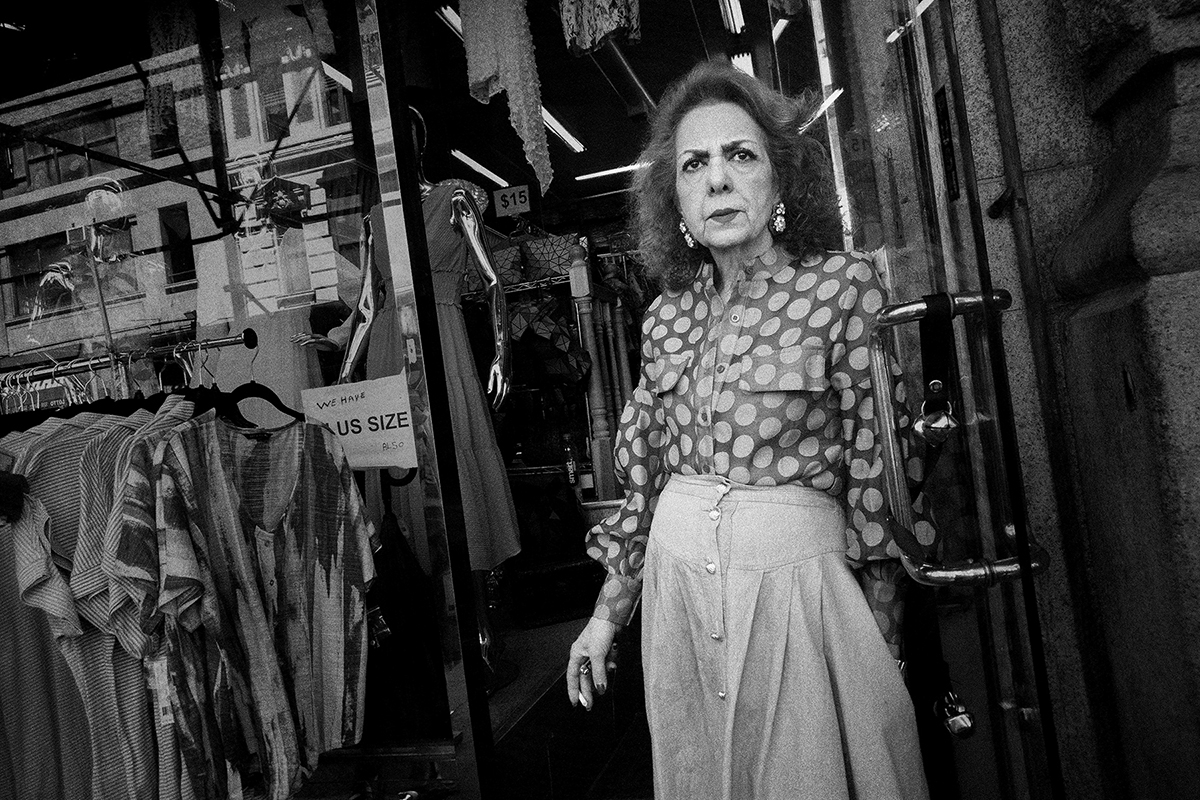
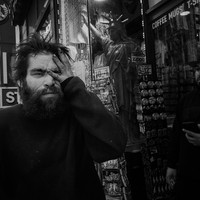
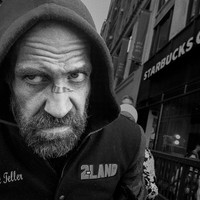
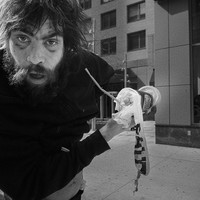
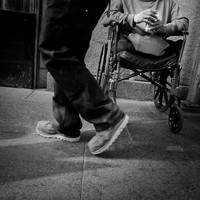
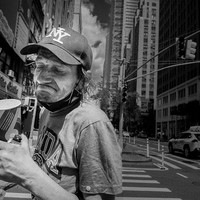

In Japanese, the word for photography—shashin—carries the literal meaning “to copy the truth.” Unlike the English term photography, which is rooted in the optical phenomenon of drawing with light, the Japanese concept is strikingly ethical in nature. It is no exaggeration to say that this ethical dimension has shaped the very identity of Japanese photography itself. Many of Japan’s great photographers have been influenced by the implications embedded within this word.
Having been born and raised in Japan, I too look at the photographic medium through this cultural lens. Perhaps the belief that photography must always remain connected to reality and truth is already outdated. Yet as long as photography is a technology that fixes the reflection of light from the real world, it can only speak of what was illuminated at that moment. And light does not lie.
Street photography exists at the intersection of countless social and cultural elements. In the shared public space of the street, people from diverse social classes and backgrounds appear and intermingle, creating a form of living chaos. What a photographer chooses to isolate from this flux is entirely up to them. At the same time, these choices become fragments of “truth,” recorded precisely as they were revealed by the light of reality—a man, a woman, who happened to be standing on that street at that moment in time. This is the truth I sought to record.
Images that are too beautifully composed lose their sense of reality precisely because of their perfection. In photography, truth emerges instead from imperfection—from the accidental, the unbalanced, the unpremeditated. In this series, I do not look through the viewfinder. As I pass strangers on the streets of New York, I quietly press the shutter, hoping that something true might be captured in that fleeting instant.
This series stems from my sociological interest in the everyday lives of people. The individuals appearing in these photographs may seem insignificant today. Yet fifty or a hundred years from now, the presence of these anonymous figures captured in the corners of the street will acquire great meaning. The faces of historically significant people will surely survive a century into the future.
BACK TO GALLERY